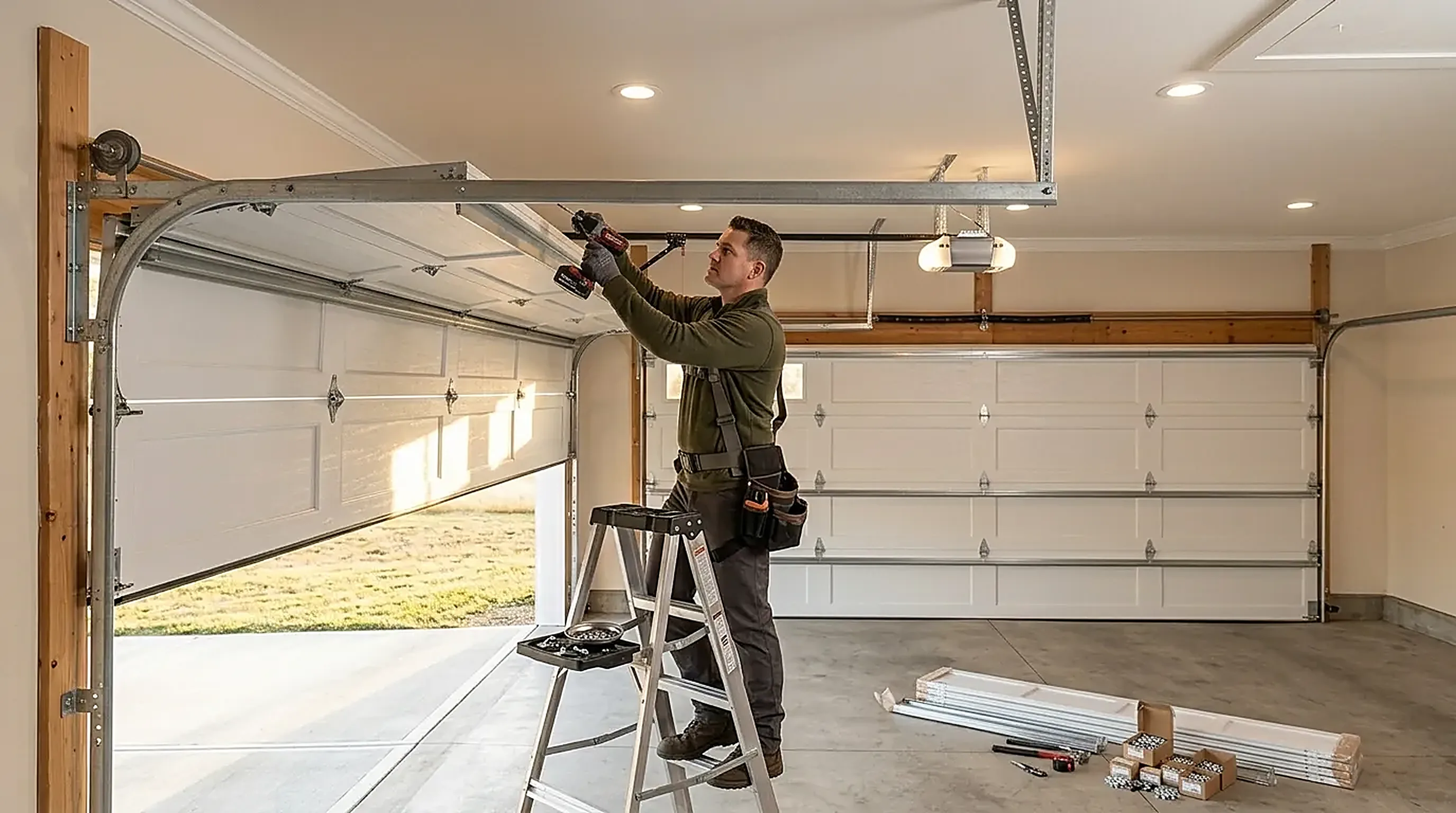
Redmond, WA · Garage Door Service
Local garage door repair for Redmond, WA homes built mostly between 1965 and 2005. We know the openers and torsion springs that came standard on this housing stock.
What We Do
From a snapped spring to a full door replacement - one local crew, upfront pricing.
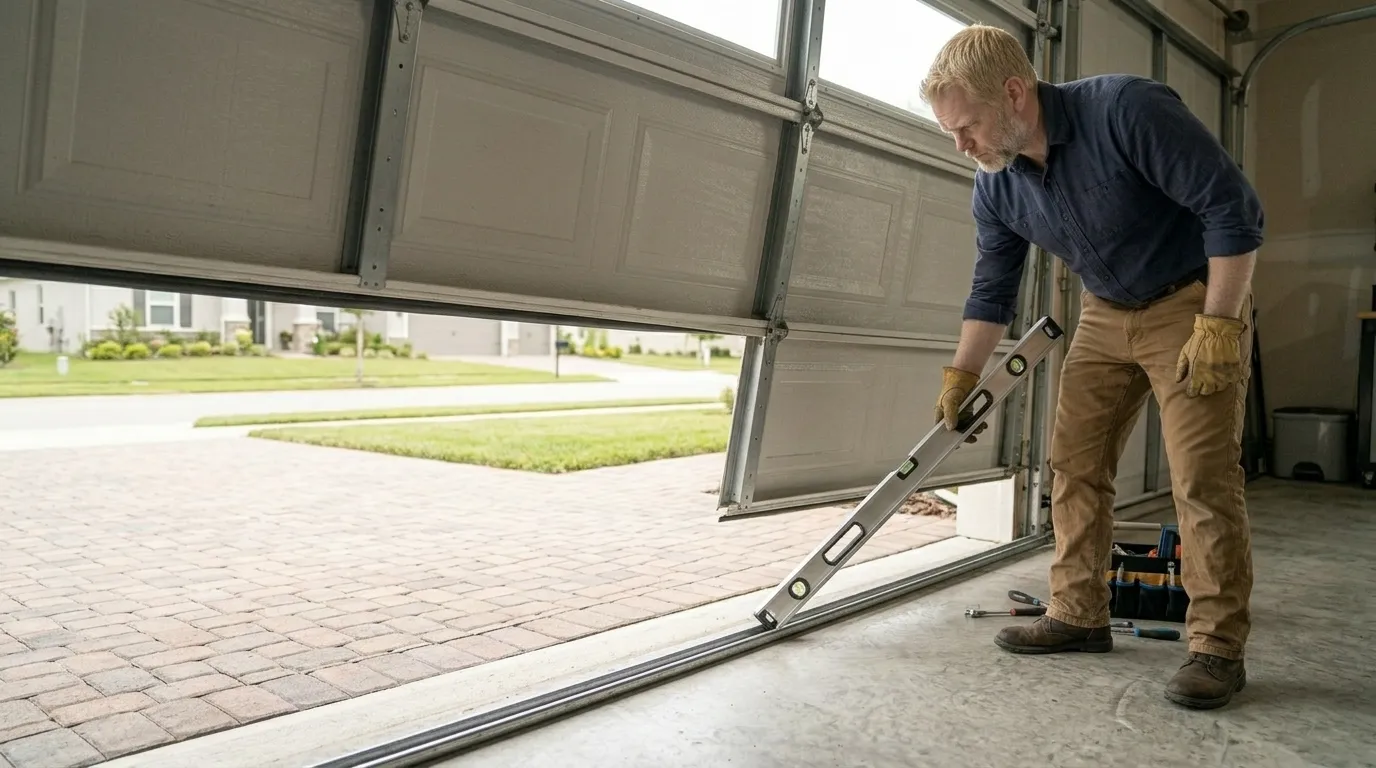
Off-track doors, snapped cables, bent panels and grinding openers - diagnosed and fixed.
Learn more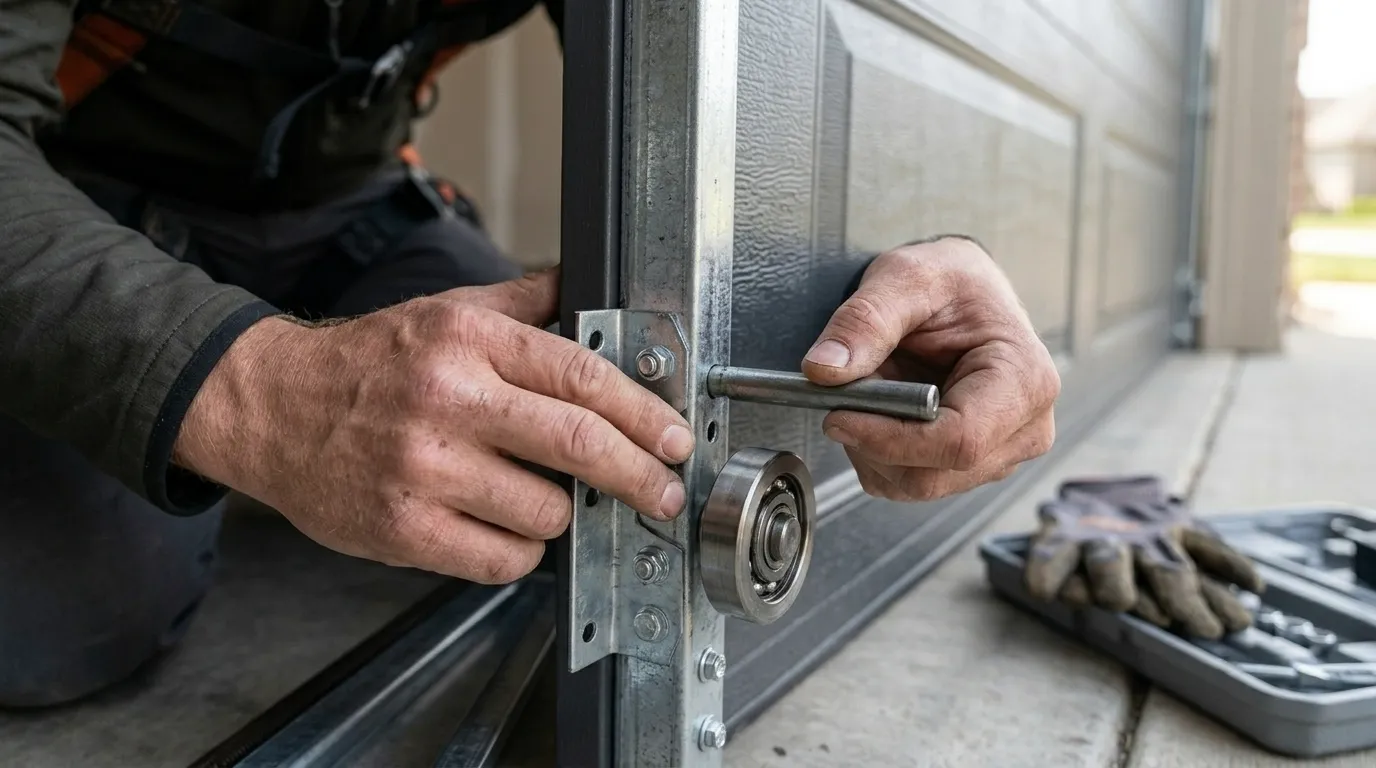
Chain, belt and screw-drive openers, safety sensors and rolling-code remotes.
Learn more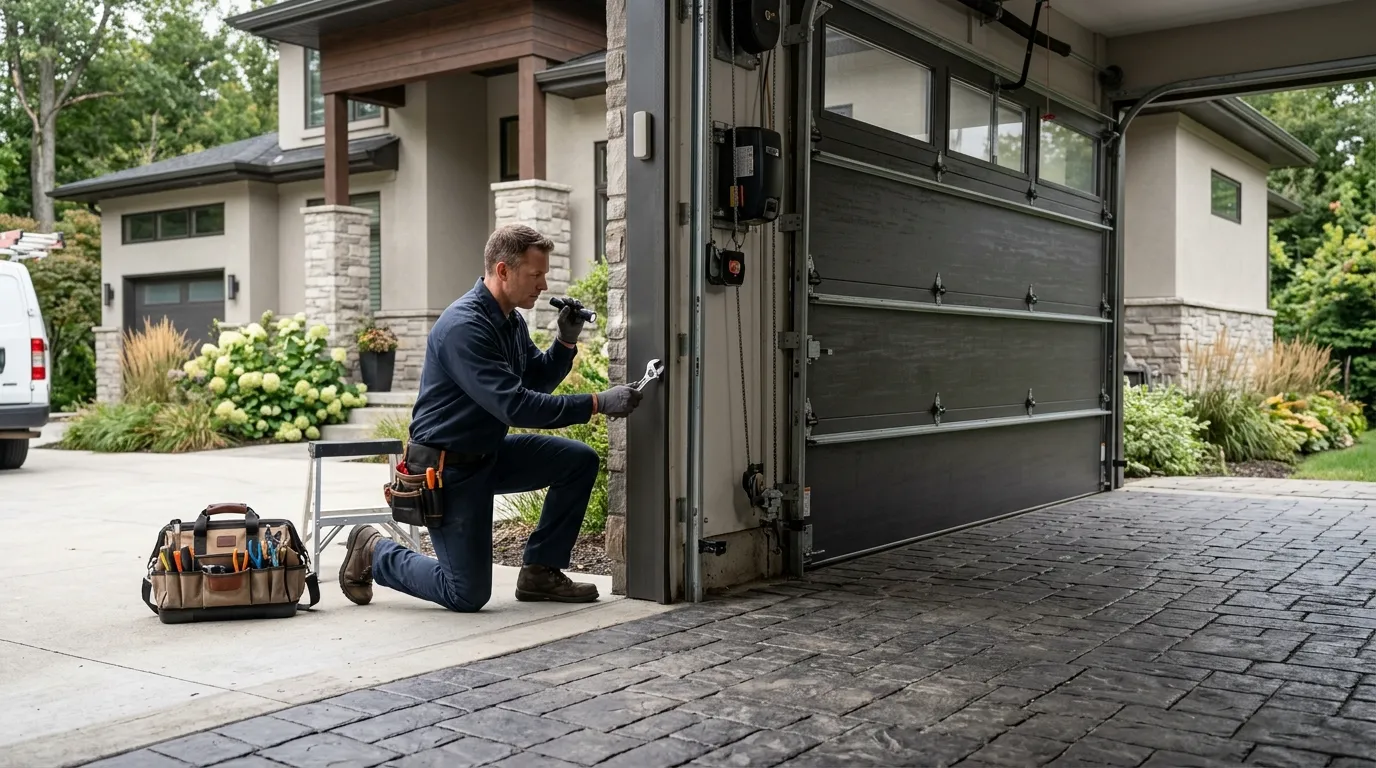
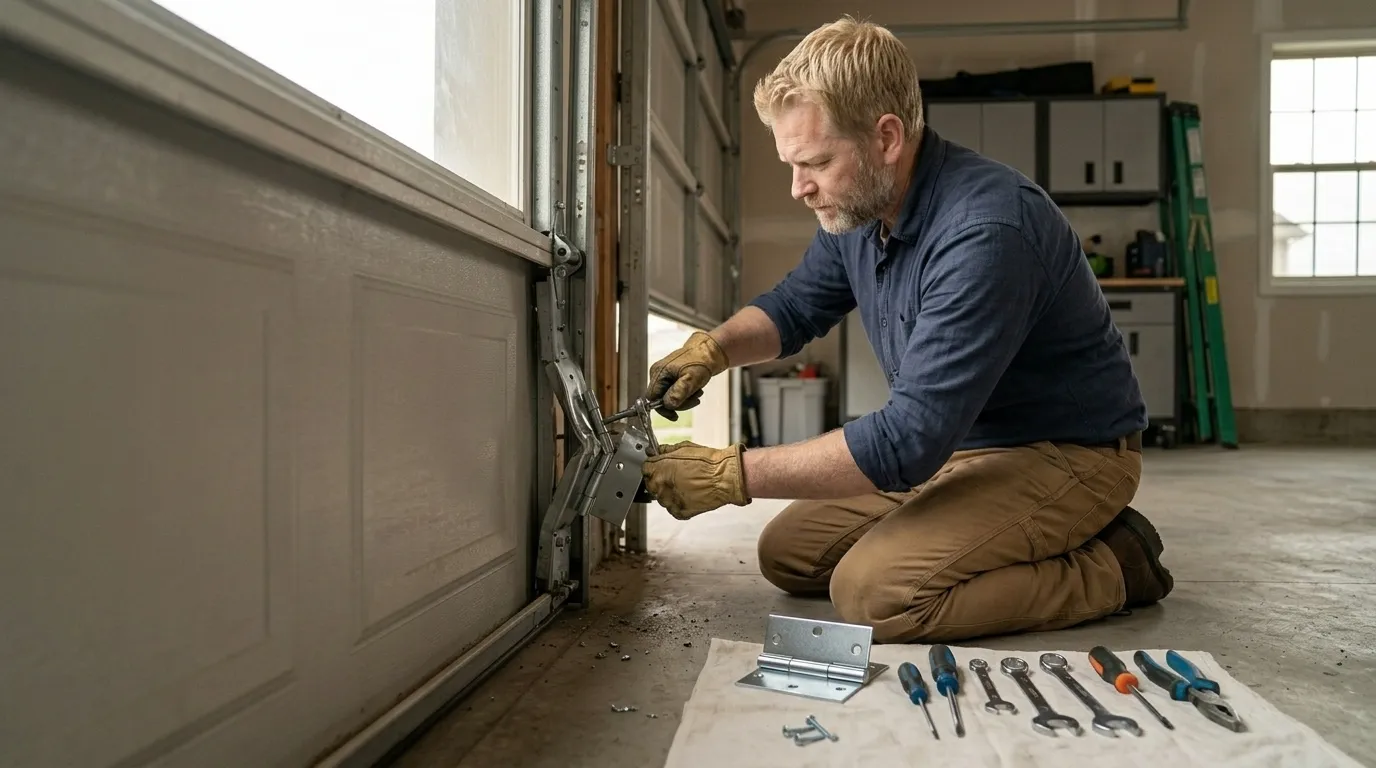
Doors jumped the track re-set, aligned and re-tensioned so they run true.
Learn more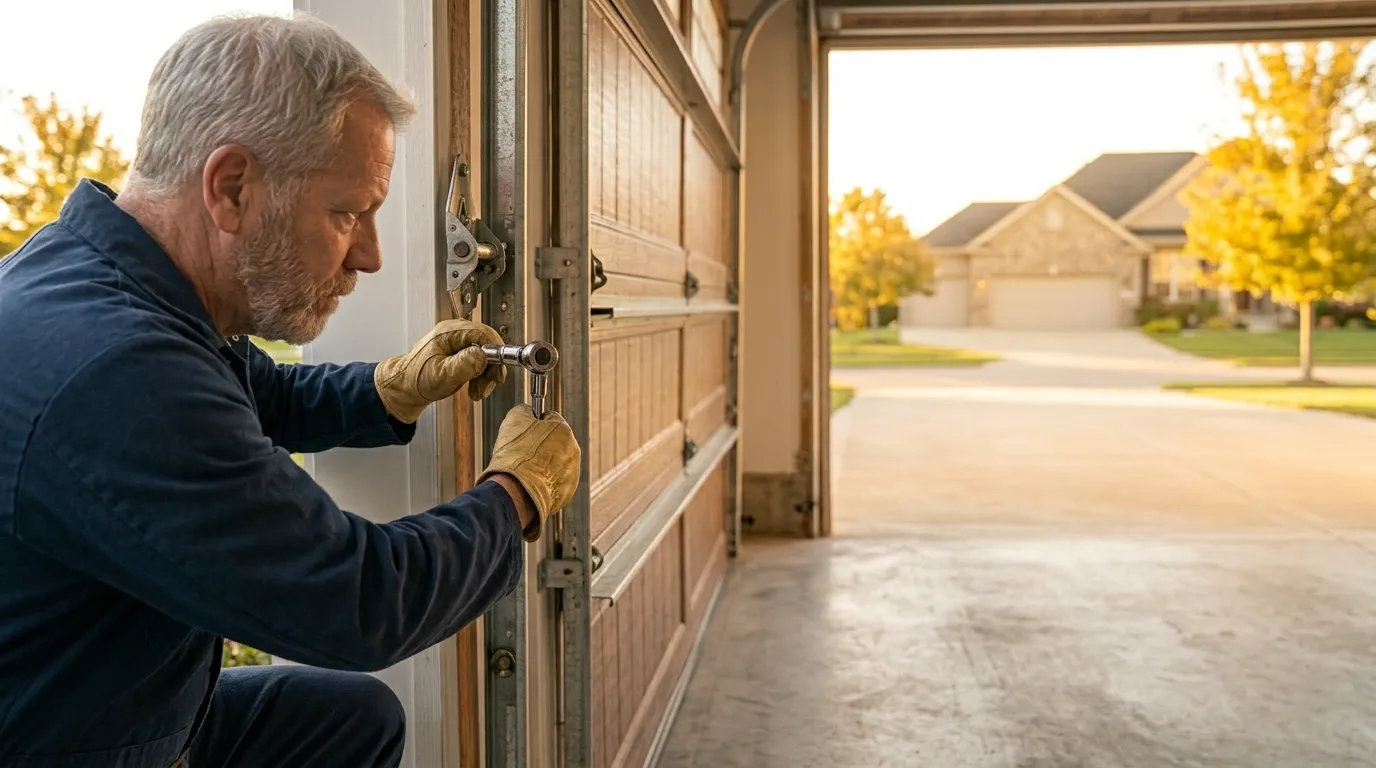
Frayed or snapped lift cables replaced and balanced against the springs.
Learn more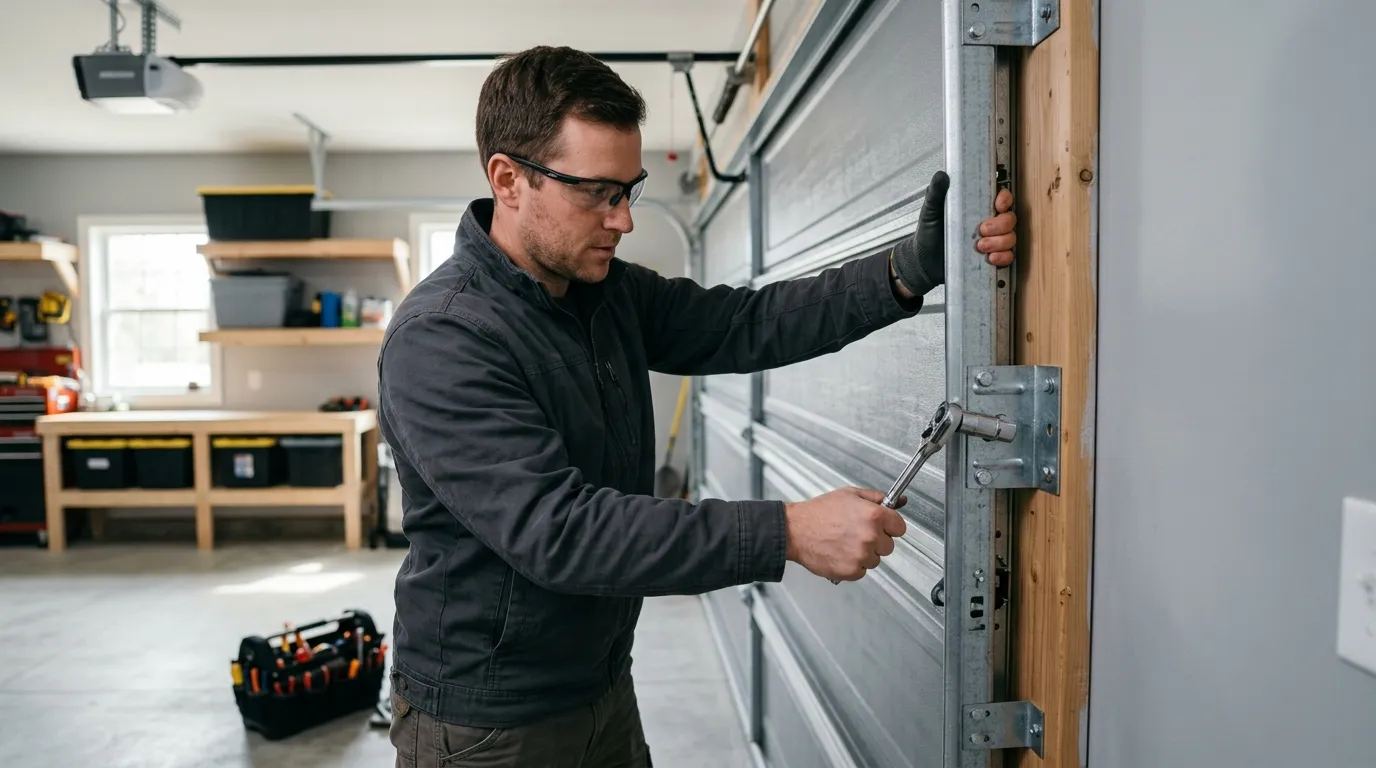
24/7 same-day help for a door that's stuck, off-track or won't secure.
Learn more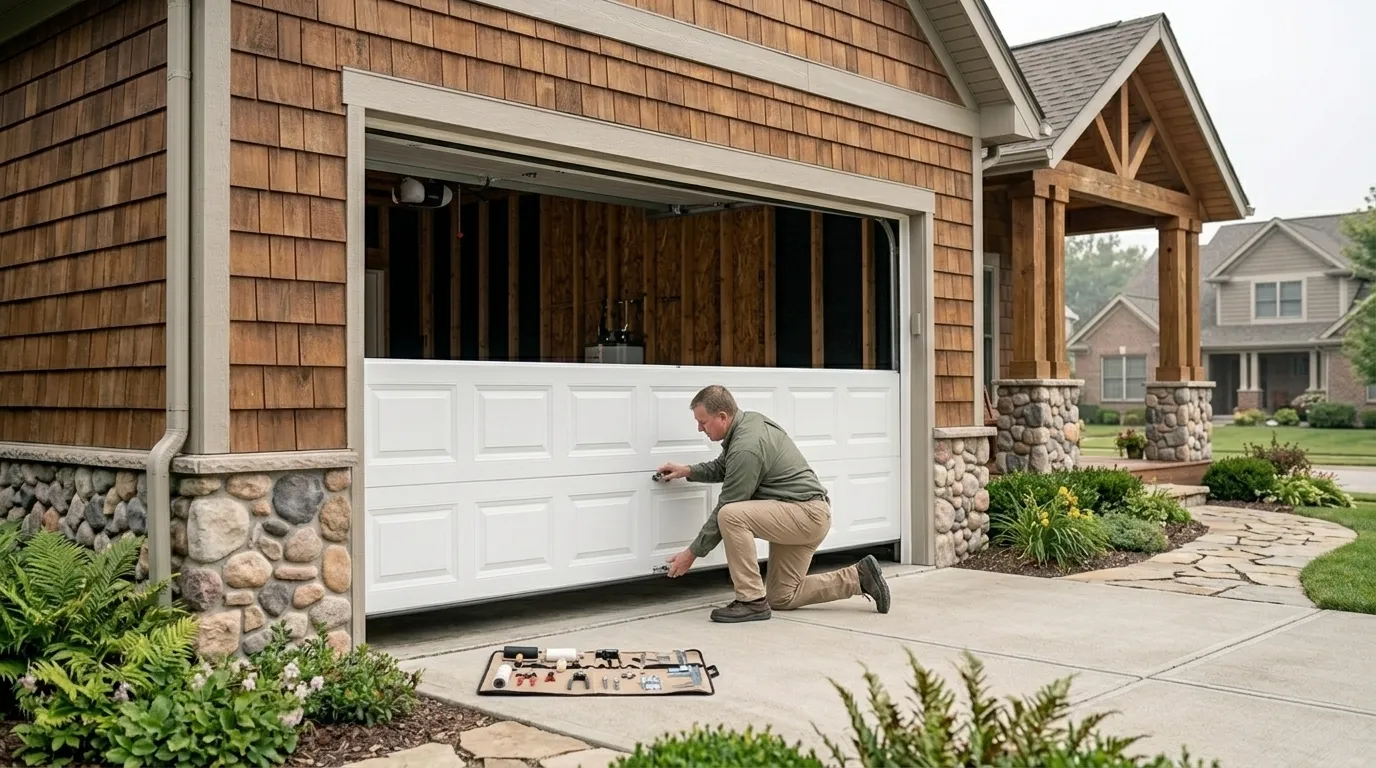
Dented or cracked sections swapped for a match without replacing the whole door.
Learn moreFast Response
A stuck or broken garage door can't wait. Call before the afternoon and we can usually be out the same day - most repairs are diagnosed and finished on the first visit, with an upfront price before any work starts.
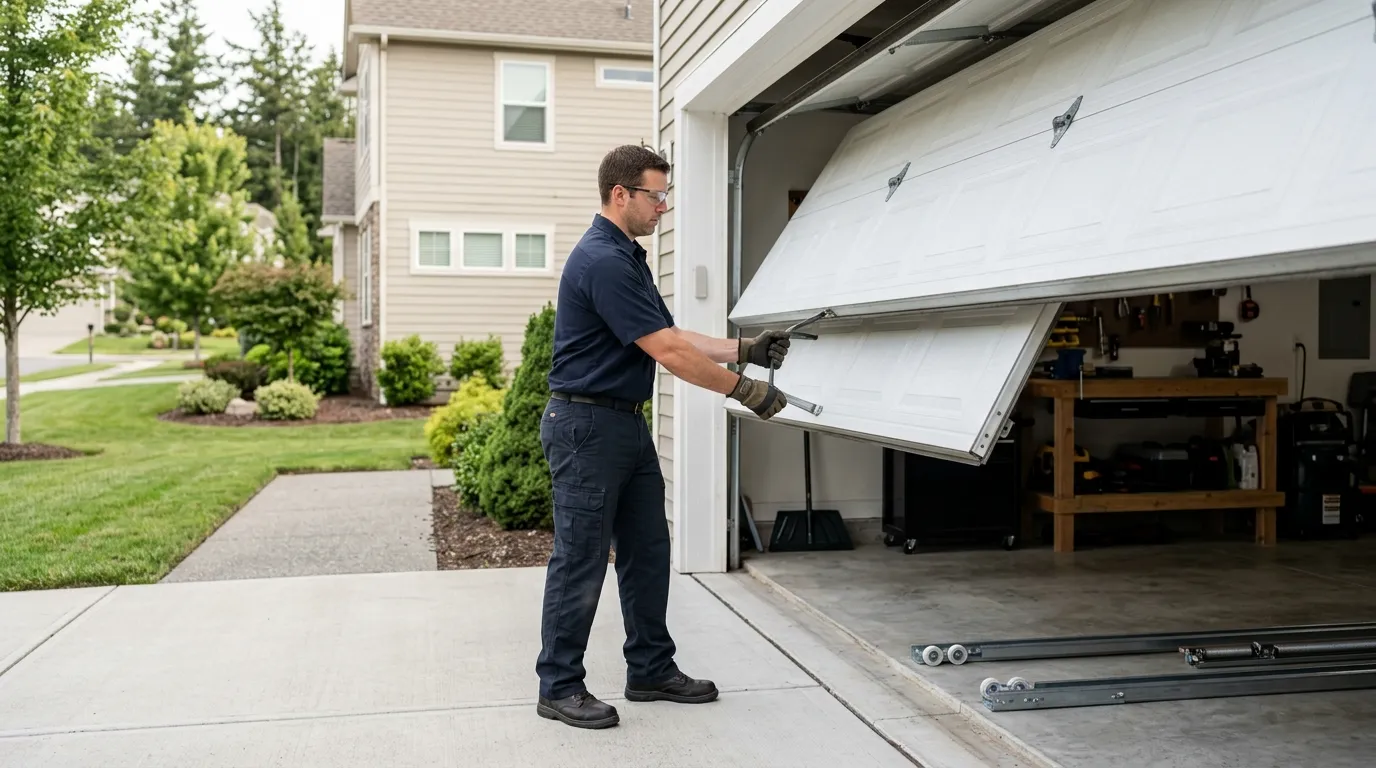 Same-day service
Why Redmond Calls Us
How It Works
Call or request a quote and describe what the door is doing - noise, off-track, won't open.
A tech inspects the springs, tracks, opener and panels and gives you a written price first.
Most repairs are done on the same visit; installs are scheduled around you.
Our Work
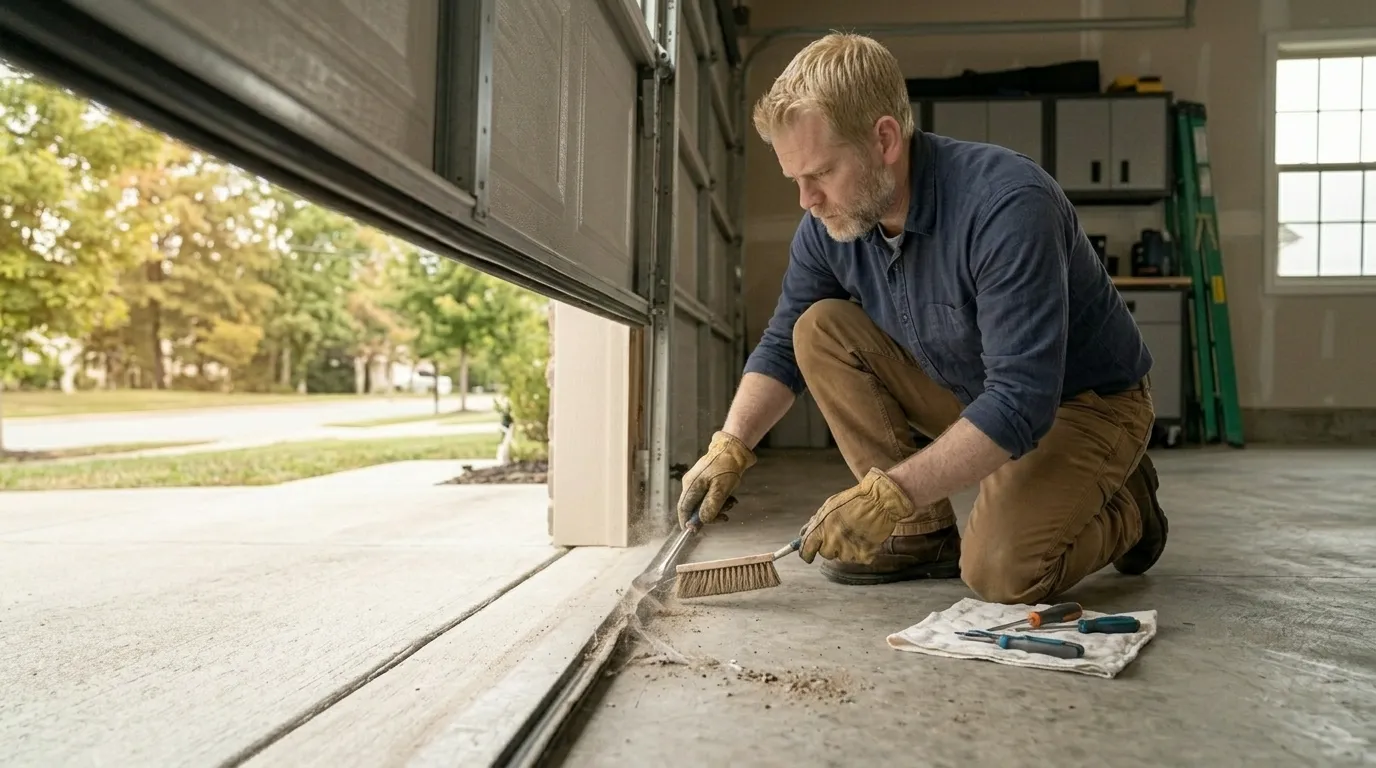
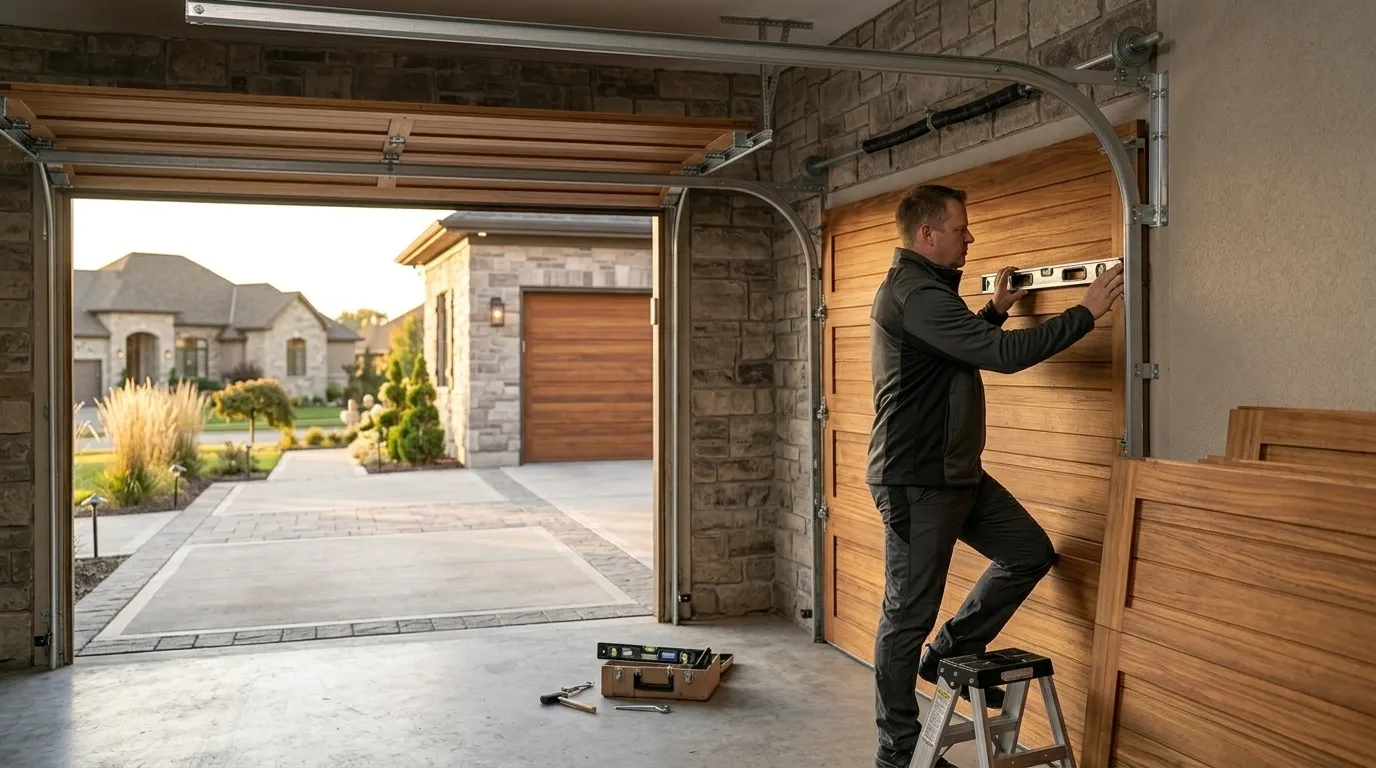
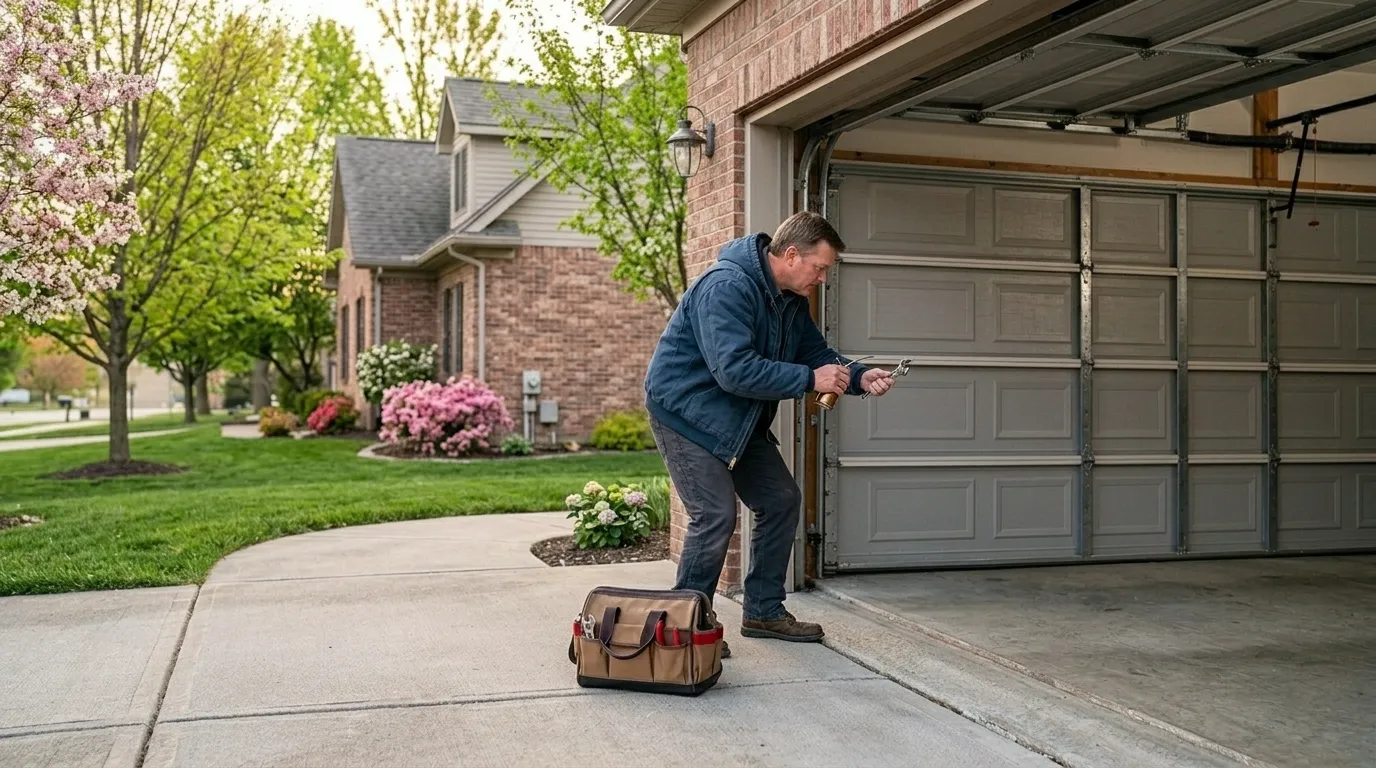
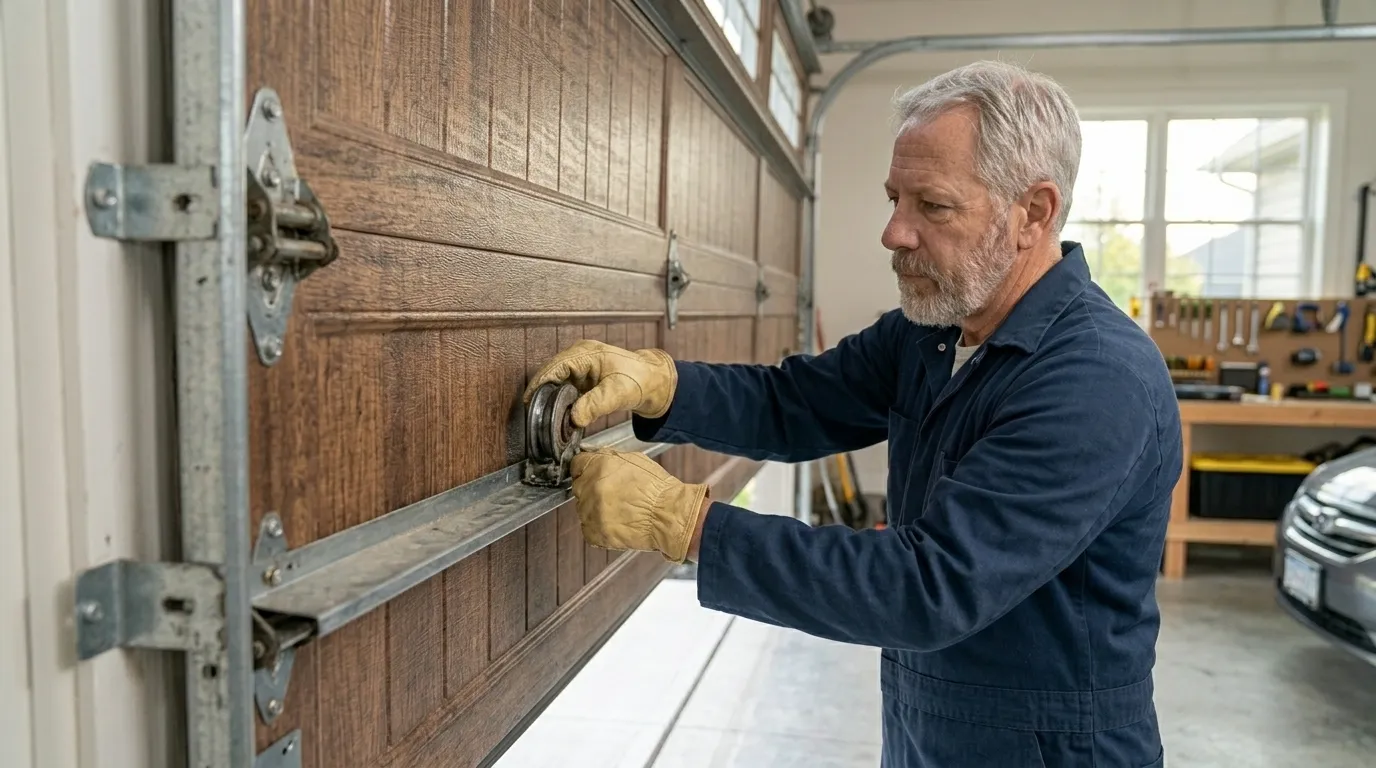
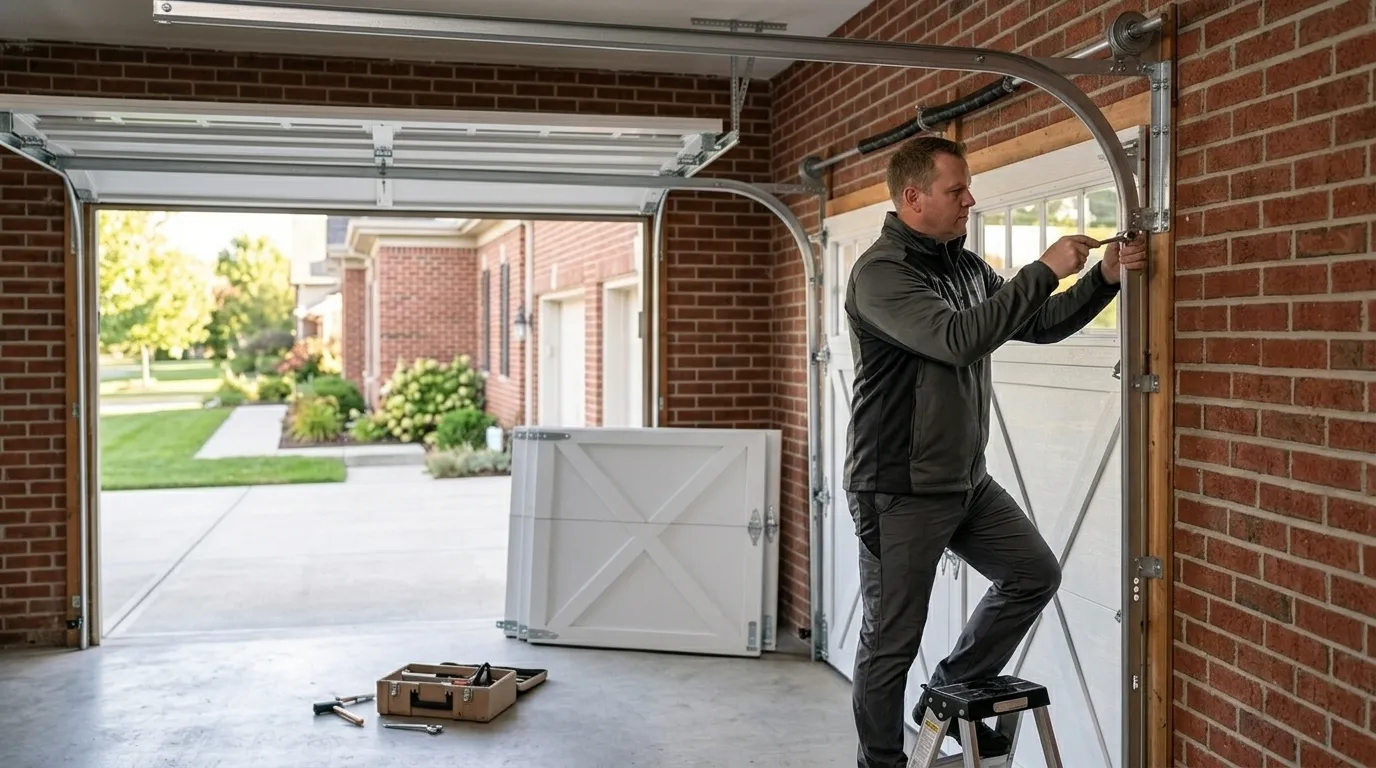
A look at doors, openers and springs we've installed and serviced across the Redmond metro.
Where We Work
Neighborhoods across the city and suburbs around the metro. Not sure if we reach you? Just ask.
Local Expertise
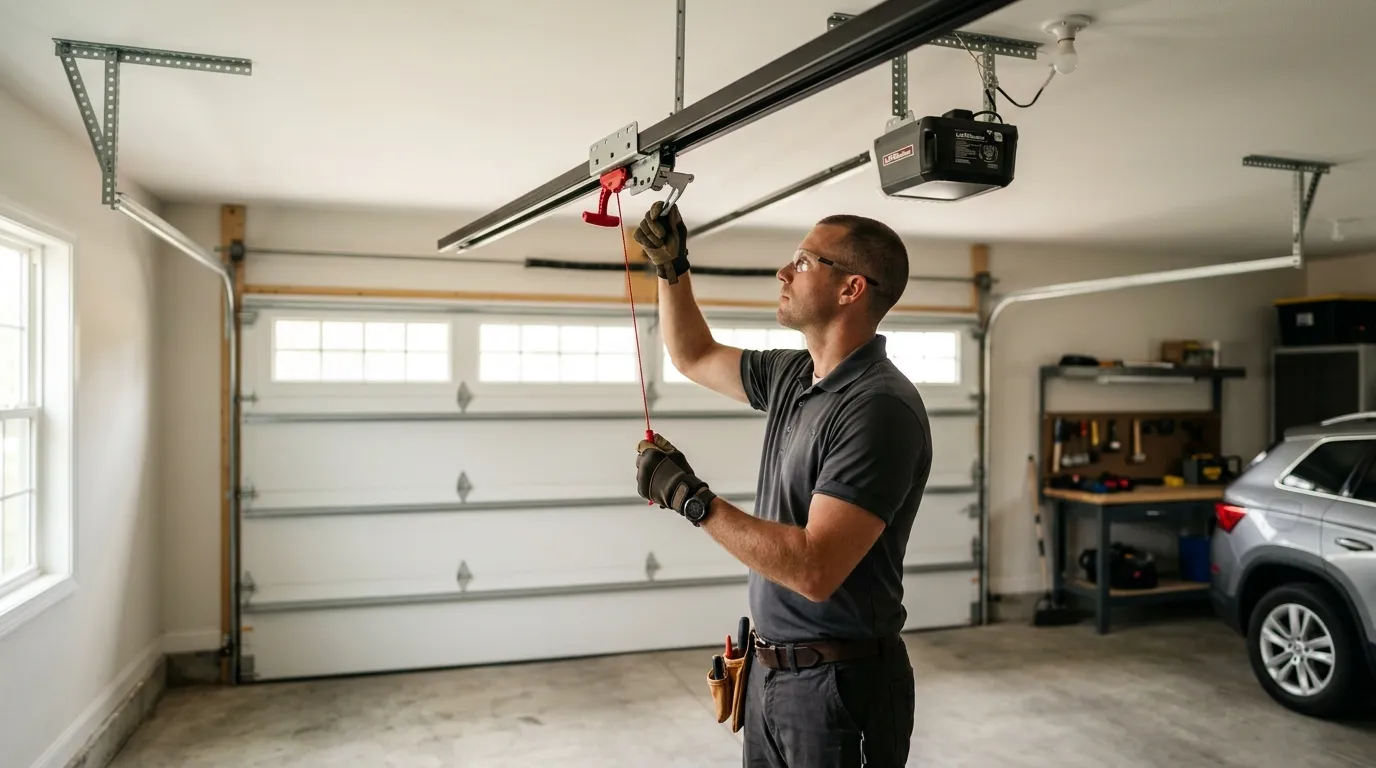
Most of the houses we work on in Redmond went up between 1965 and 2005, with the median build year sitting right around 1985. That's not a small window - it means the neighborhoods here, from Education Hill down to Grass Lawn and out toward Redmond Ridge, are carrying garage doors and openers from a couple of distinct eras of hardware. A lot of the 1980s and 90s stock across the roughly 42 named areas in this part of the service territory shares the same setup: chain-drive openers bolted into ceiling joists that were framed before anyone worried about insulation codes, and torsion springs sized for single-layer steel doors that have since been swapped for heavier insulated panels without anyone re-rating the spring. If your door feels like it's straining on the way up, or the opener sounds like it's working harder than it used to, that mismatch between old spring and newer door is usually why. We see it street after street, and it's the first thing we check before we touch anything else.
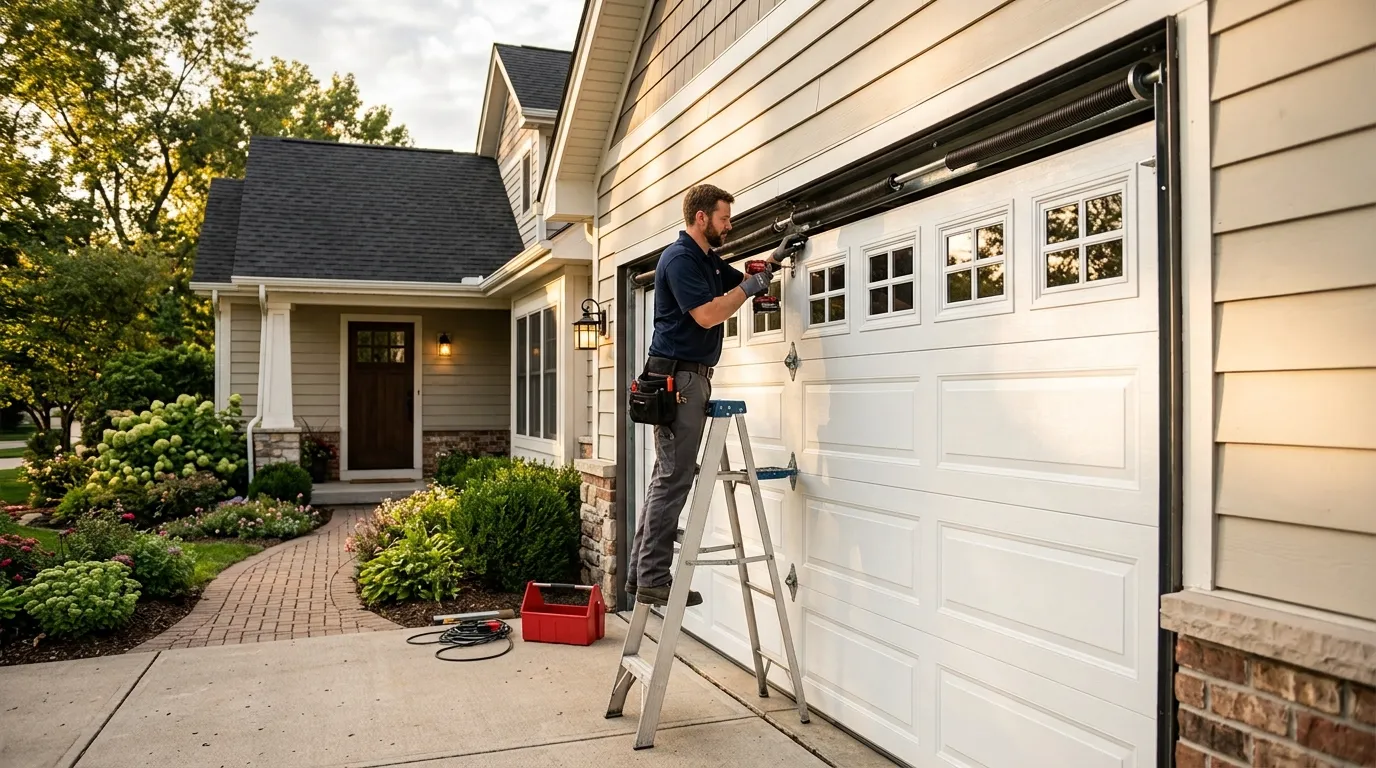
We don't post a flat number here because a service call on a house built in 1985 with original hardware isn't the same job as one on a 2001 build with a newer opener. What actually drives the cost is what's on the door: torsion springs versus extension springs, single doors versus double, and whether the opener is original to the house or already a replacement. A stripped gear on a chain-drive opener is a different repair, with different parts, than a broken cable on a double door with two torsion springs under load. We'll tell you what's wrong and what it costs before we start, not after. If a part needs to be special-ordered because the door is old enough that the manufacturer doesn't stock it anymore, we'll say so up front - that's a real limitation on some of the older houses in this area, and it can add a few days to a job that would otherwise be same-day.
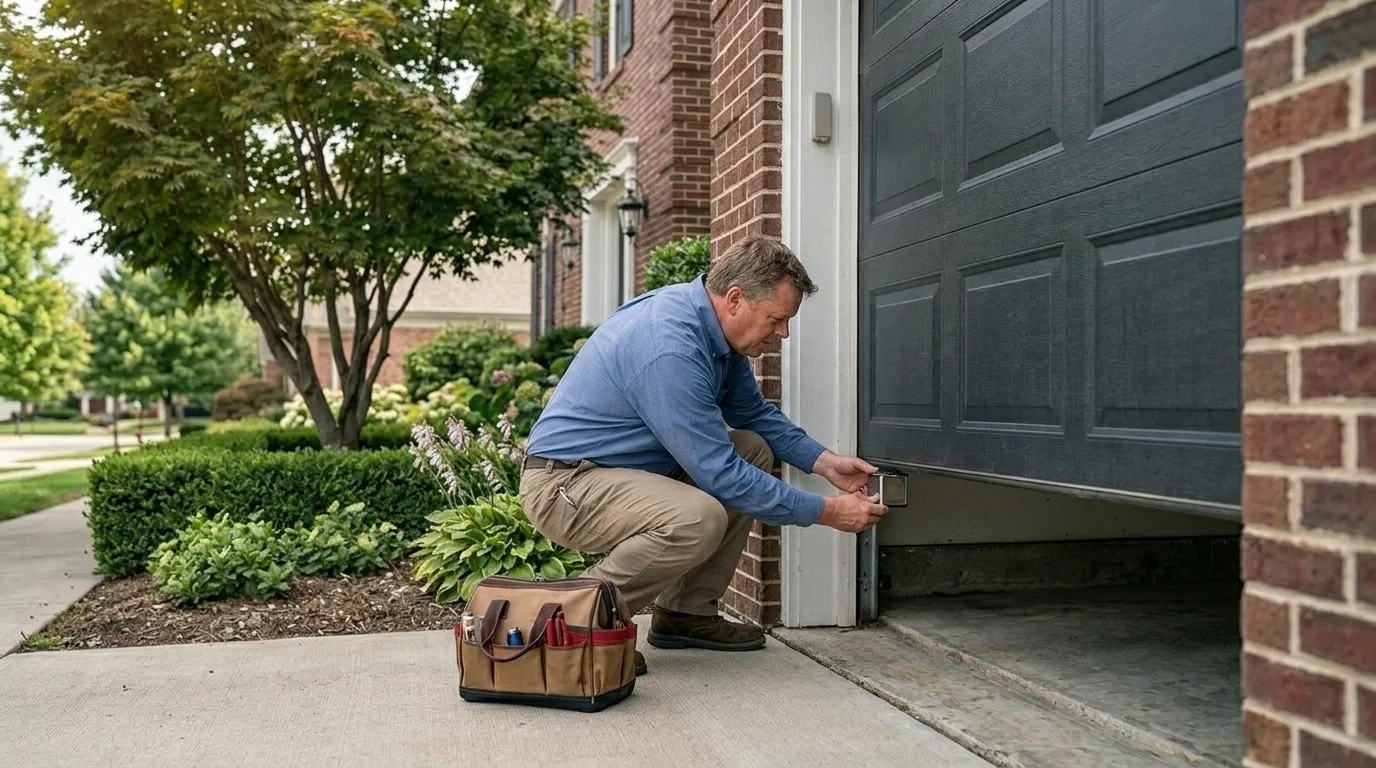
Redmond sits in a cold-moderate climate band, which means the freeze-thaw cycle isn't as brutal as it is further inland, but the damp cold still does its work on hardware over a few decades. Torsion springs on houses from the 1980s and 90s stock lose tension gradually, and by year twenty or thirty they're due - that's just metal fatigue, not a sign anyone did anything wrong. We also see a lot of worn rollers and stretched cables on doors that get used several times a day, which tracks with a service area where household incomes support two-car and two-opener households. Openers themselves tend to fail at the gear or the circuit board before the motor actually dies, especially on the chain-drive units that came standard on the mid-80s to late-90s builds. None of this is exotic. It's ordinary wear showing up on schedule for houses of a certain age, which is most of the houses around here.
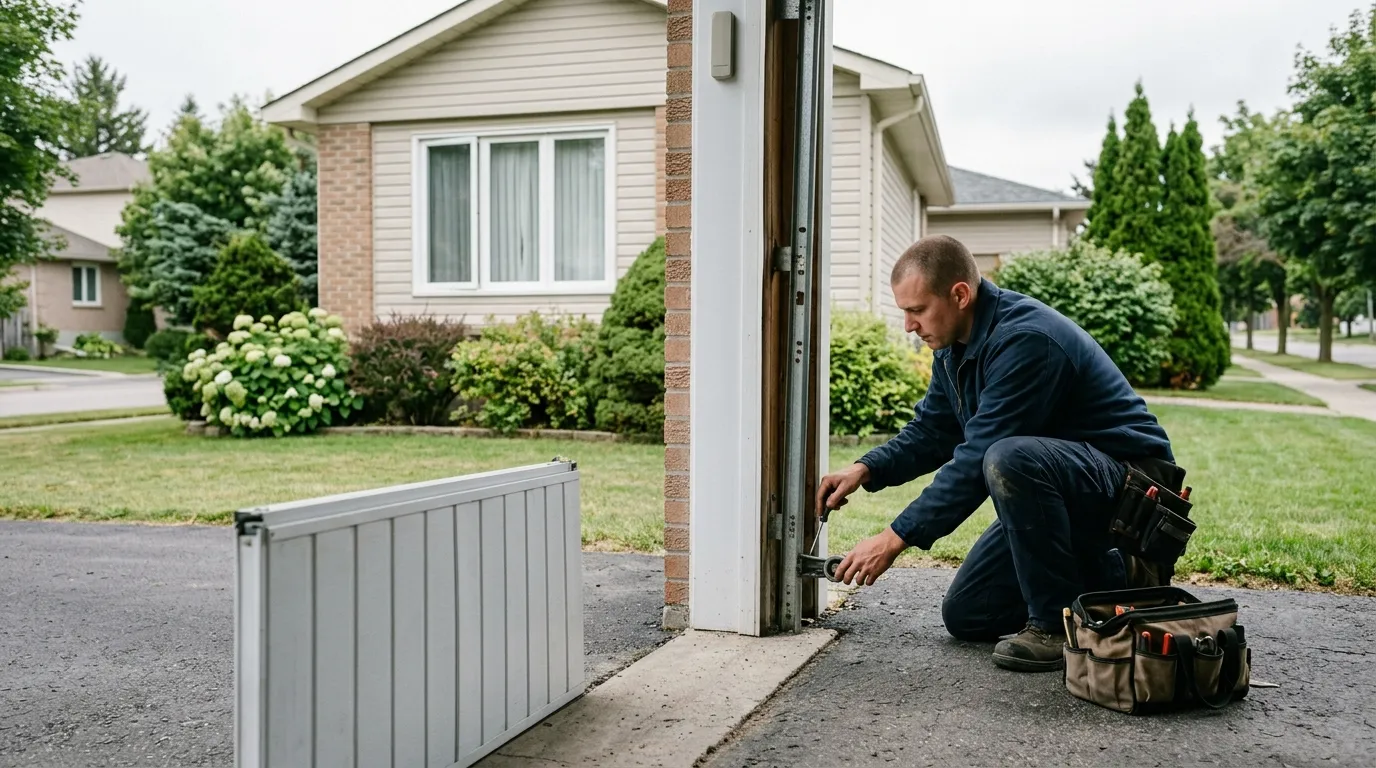
You tell us what the door is doing - won't open, opens partway, makes a bang, opener runs but nothing moves - and we ask enough questions to have a rough idea of the part before the truck leaves. On site, we test the springs, the cables, the rollers and the opener's logic board in that order, because that's usually the order things actually fail in on houses this age. We show you what's worn and what it costs to fix before any work starts. If the fix is a fifteen-minute cable swap, that's what we do - we don't pad a small job into a bigger one because the door is old. If the door needs a part that isn't common anymore, we'll tell you that too, and give you a straight estimate on lead time instead of guessing.
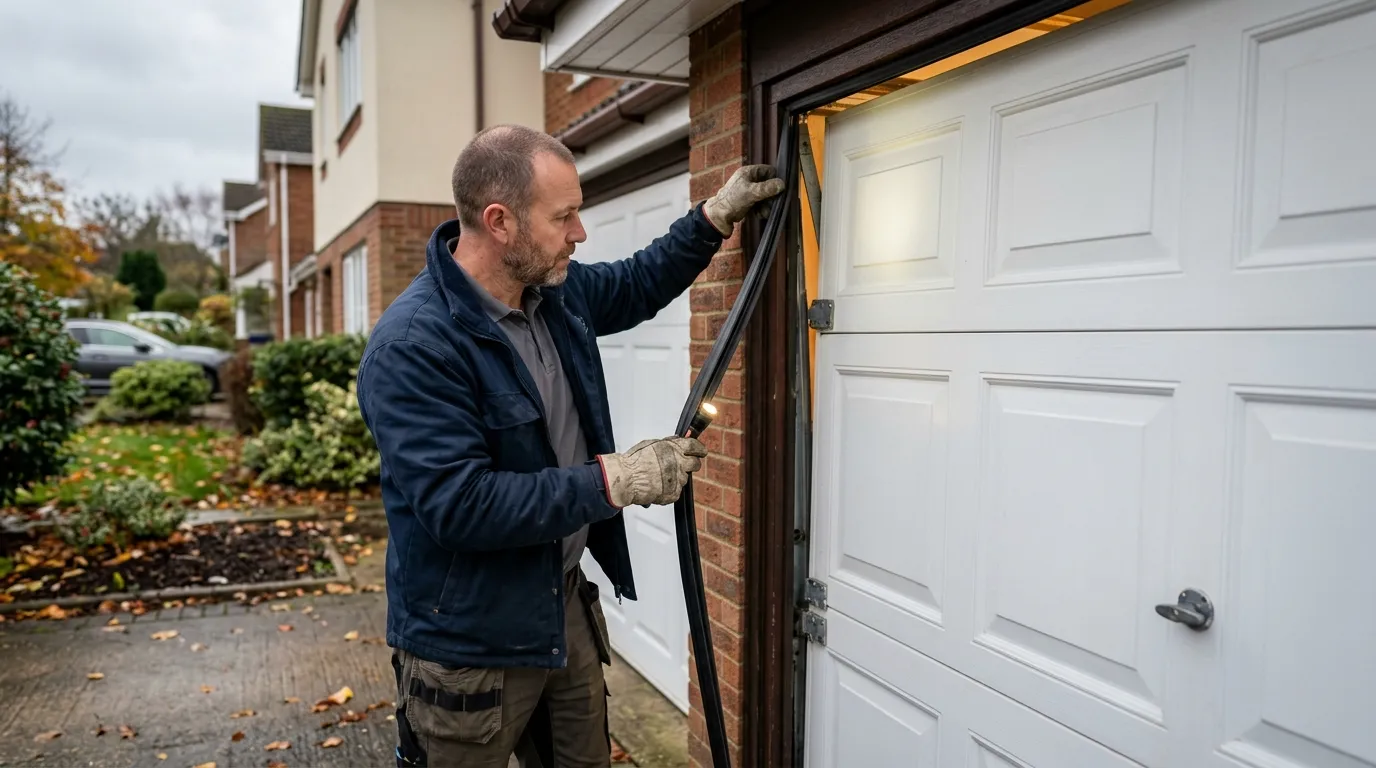
Somewhere around the third service call on the same door, the math usually stops making sense. A torsion spring replacement on a 1980s door with an otherwise sound frame and track is worth doing. Replacing a spring, then a cable six months later, then an opener board the year after that, on a door that's original to a house built in the median 1985 window, usually means the door itself is at the end of its run. Insulated panel doors have also come a long way since the single-layer steel that was standard on a lot of these builds, so a full replacement can mean a quieter, better-sealed door rather than just a like-for-like swap. We'll tell you honestly when a repair is the better call and when it isn't - we'd rather lose a bigger job than sell you a new door you don't need yet.
Good to Know
On houses from the 1980s and 90s stock, it's usually a torsion spring that's lost tension over the years, or a door panel that's been replaced with a heavier insulated version without the spring being re-rated. Either way, the opener starts doing work the spring used to do, which shortens its life too.
Yes. A lot of the chain-drive openers from that era are still running, and most failures are the gear or the circuit board rather than the motor. We carry common parts for these; anything genuinely obsolete, we'll quote a lead time on before starting.
We don't quote a final price over the phone, since a torsion spring job and a cable job cost differently and we won't know which one it is until we look. We do give you a firm price on site before any work starts, based on what's actually broken.
If you're on your third repair call in a couple of years, often yes. Doors original to houses in the median 1985 build window are old enough that a full insulated replacement can outperform another patch repair, especially given our cold-moderate climate and the wear that comes with daily two-car use.
Call now or request a free quote - same-day service on most repairs, upfront written pricing.